Goallex
00Goallex beta direction

Help shape
the first Goallex
beta topics.

We are preparing Goallex for early beta testing and would appreciate your opinion. Tell us which areas of health, habits, fitness, emotions, learning, or daily life you would most like to explore — and where we should invite creators, experts, and early users to contribute first.

01Choose the beta topics that feel most useful to you
02Tell us what still feels missing
03Help us understand which creators and experts we should invite for beta
01Current beta candidates

Five directions
we are considering.

The topics below are not final product promises. They are early directions we are considering for beta testing, creator collaboration, and structured self-guidance experiments. Your vote will help us decide which areas deserve the most attention before the beta launch.

01Health patterns we may explore
Headaches and migraines

Topic 1

Headaches and migraines

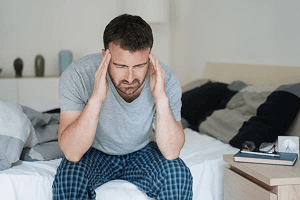
Many people live with recurring headaches or migraines for years without clearly understanding what may be influencing them. Your headaches can be affected by many overlapping factors: sleep, stress, hydration, food, screens, hormones, medication, supplements, posture, weather, and daily routines. Goallex cannot diagnose or cure these conditions, but it may help people approach the problem in a more organised way: by creating and following structured routines, recording relevant daily factors, reviewing possible patterns over time with the help of AI and engaging experts who can offer good advice.

Example list of 300 potential parameters to track for headaches and migraines

Nutritional elements with over 200 parametersTotal caloriesProteinCarbohydratesTotal fatTotal fiberTotal sugarSaturated fatMonounsaturated fatPolyunsaturated fatOmega- fatty acidsEPADHAOmega- fatty acidsCholesterolSodiumPotassiumCalciumMagnesiumPhosphorusIronZincCopperManganeseSeleniumIodineChromiumMolybdenumChlorideVitamin AVitamin CVitamin DVitamin EVitamin KVitamin B (thiamin)Vitamin B (riboflavin)Vitamin B (niacin)Vitamin B (pantothenic acid)Vitamin BVitamin B (biotin)Vitamin B (folate)Vitamin BCholineSoluble fiberInsoluble fiberAdded sugarFructoseLactoseHistamine-rich food intakeTyramine-rich food intakeNitrates / nitrites in food

Sleep and recoveryBedtimeWake-up timeTotal sleep durationSleep quality ratingTime needed to fall asleepNumber of night awakeningsMinutes awake during the nightDeviation from usual sleep scheduleFinal wake time versus normalWhether a nap was takenNap durationNap end timeSnoring intensitySuspected sleep apnea / gasping episodesTeeth grinding during sleepPillow / neck support qualitySleep positionBedroom temperature overnightBedroom light disturbanceBedroom noise disturbance

Hormonal and body-rhythm parametersMenstrual cycle dayPeriod start dateBleeding intensityOvulation windowPMS severityMenopausal symptom severityContraceptive phase / pill dayHRT use or timingPelvic cramp intensityBreast tendernessBloating / fluid retentionMorning basal body temperatureResting heart rateHeart rate variabilityBlood pressureBody weightBowel movement regularityConstipation severityIllness / infection symptomsAllergy flare severity

Physical activity and postureStep countTotal active minutesMain exercise typeExercise durationExercise intensityExercise timingOutdoor versus indoor exerciseResistance training sessionHigh-impact activityNeck mobility / stretching workShoulder tension levelDaytime jaw clenchingTotal sitting hoursLongest uninterrupted sitting periodDesk ergonomics qualityHead-forward posture timeHeavy lifting or carryingDriving durationCommuting durationBackpack / shoulder bag loadPhysiotherapy / manual therapy sessionMassage / myofascial releaseYoga / Pilates sessionWarm-up / cool-down adequacyPost-exercise recovery quality

Daily routines, habits, social life, and contextWake-up routine consistencyMorning sunlight exposureCoffee before foodShower temperatureSauna useHot bath useMissed medication or supplement doseWater bottle carried / hydration accessTime spent indoorsTime spent outdoorsSocial event attendanceCrowded / noisy venue exposureRestaurant meal occasionAlcohol-centered eventTravel dayTime-zone changeOvernight stay away from homeChange of pillow or bedLong car rideLong train / bus rideSchedule overloadWeekend versus workdayHousehold chores / manual workloadPet-care or home-duty interruptionTight headwear / glasses / ponytail pressureHelmet or mask wear durationDental appointment or dental workMissed breaks during screen or desk workHydration reminder useSense of control over the day

Headache, migraine, prodrome, and symptom detailsHeadache start timeHeadache end timeAttack durationPain intensityPain locationOne-sided versus both-sided painPain quality (throbbing, pressure, stabbing, etc. )Worsening with movementNeck painShoulder painJaw pain / TMJ symptomsSinus pressureNauseaVomitingAppetite changeFood cravingsYawningFatigueDizzinessVertigoLight sensitivitySound sensitivitySmell sensitivityVisual auraSpeech difficultyBrain fogConcentration difficultyIrritabilityMood dropAnxiety spikeNasal congestion / runny noseEye watering / eye rednessScalp tendernessFacial numbness or tinglingHand numbness or tinglingMuscle weakness / heavinessThirst before headacheFrequent urination before headacheRelief after sleepResponse to rescue treatment

Screens, environment, and sensory exposureTotal phone screen timeTotal computer / tablet screen timeLongest continuous screen sessionScreen brightness levelBlue-light filter useVideo call durationGaming durationReading durationEye strain levelFluorescent light exposureSunlight / glare exposureLoud noise exposureHeadphone / earbud durationStrong smells / perfume exposureCigarette smoke exposurePoor air quality / pollution exposurePollen / allergen exposureBarometric pressure changeOutdoor temperature exposureHumidity levelWind exposureTime in air-conditioningAltitude changeAir travelMotion sickness / vestibular trigger exposure

Hydration and eating pattersTotal water intakeElectrolyte drink intakeThirst / dehydration ratingUrine color / hydration markerTotal meals and snacks countTime of first mealTime of last mealLongest fasting windowBreakfast skipped or notLunch skipped or notDinner skipped or notLate-night eatingEating outside the homeUltra-processed food exposureSugary snack intakeHigh-salt food exposureFermented / aged food exposureVery cold food or drink exposureLarge meal sizeReduced appetite

Herbs and supplementsMagnesium supplement doseRiboflavin supplement doseCoenzyme Q useOmega- supplement useVitamin D supplement useB-complex supplement useMelatonin useGinger useTurmeric / curcumin useFeverfew usePeppermint useValerian or sleep-herb useAshwagandha useRhodiola useChamomile useL-theanine useElectrolyte supplement useProbiotic / prebiotic useCreatine useMultivitamin use

Medicines and substancesParacetamol / acetaminophen doseIbuprofen doseNaproxen doseAspirin doseTriptan useGepant useCGRP preventive treatment timingAnti-nausea medication useMuscle relaxant useSleep medication useHormonal medication useAntihistamine useDecongestant useStimulant medication useSSRI / SNRI or other psychiatric medication useBirth control pill taken or missedNicotine useAlcohol units consumedCaffeine total from beveragesCannabis use

Emotional and psychological stateOverall stress levelAcute stress eventWork pressureDeadline pressureFamily conflictRelationship tensionCaregiving burdenFinancial stressHealth anxietyGeneral anxiety levelSadness / low moodIrritability / angerFeeling overwhelmedPerfectionism pressureFeeling out of controlSocial anxietyLonelinessMental exhaustionCognitive overloadDecision fatigueBoredom / understimulationExcitement / adrenaline levelPanic symptomsTrauma-trigger exposureRumination levelMeditation / breathwork minutesTime outdoors for mental resetTherapy / counselling sessionRelaxation qualityPerceived emotional support

Digestive health and gut-related symptoms

Topic 2

Digestive health and gut-related symptoms

Digestive symptoms can change from day to day, and the reasons are not always obvious. Food choices, meal timing, stress, hydration, supplements, sleep, and routines may all play a role. Our users will be able to create and follow structured protocols that help them test healthy adjustments, follow them consistently, and record the results in a way that makes the bigger picture easier to understand. If you don’t want to follow meal plans or other maps, you still will be able to track every parameter that matters to you and use our Wellness Analyser to ask for answers.

Sleep, energy, and daily recovery

Topic 3

Sleep, energy, and daily recovery

So many otherwise healthy people struggle with unstable sleep, low energy, or poor recovery without understanding what is driving the pattern. Goallex can help users test and track routines around sleep timing, meals, physical activity, screen exposure, stress, supplements, and emotional state. You can experiment with protocols that may include meal plans, supplement plans, physical activity maps, and emotional-state tracking to help you follow, record, and better understand the factors shaping how you feel. Then put it all together and analyse.

02Daily movement and emotional-support topics
Micro-fitness and short movement routines

Topic 4

Micro-fitness and short movement routines

Fitness does not always need to start with long workouts. Some people may benefit more from small, repeatable physical activities that can be done at home, at work, or between daily tasks. Goallex can help users create and follow these low-friction movement maps step by step, supporting short, practical movement maps that fit into daily routines, including 1-10 minutes fitness breaks, posture resets, mobility work, beginner strength exercises, walking prompts, invisible fitness sets or simple home activities.

Emotional support, motivation, and life philosophy

Topic 5

Emotional support, motivation, and life philosophy

Not every useful map has to focus on symptoms or physical habits. Some people require daily emotional support, motivation, perspective, reflection, or practical philosophy to help them stay steady through difficult periods and keep moving forward. Goallex could support maps built around emotional resilience, confidence, gratitude, stress recovery, personal values, motivation, survival stories, and life transitions. These maps may combine short readings, reflection prompts, daily practices, creator content, life stories and personal notes.

02Tell us what we should map first

Missing something important?

Goallex is being built as a flexible self-guidance and self-analysis tool, a system that integrates any routine or makes tracking of rich personal data simple enough to fit into the everyday life of any person. The range of possible maps can certainly be much wider than five topics above and include habits, nutrition, learning, recovery, creativity, emotional well-being, productivity, beauty or anti-aging. If you believe there is another challenge worth exploring with structured guidance, personal data tracking and AI analysis, please share it in the form here. We will try to offer it to you at our beta launch.

Share your thoughts